Residential Plumbing Service in Lee's Summit: Complete Home Maintenance Checklist
Maintaining residential plumbing in Lee's Summit requires year-round attention to pipes, drains, water pressure, water heaters, sump pumps, and shut-off valves. Seasonal preparation is particularly important because freezing Missouri winters and periods of heavy spring rain can place added demands on home plumbing. A planned maintenance schedule helps homeowners identify leaks, drainage concerns, pressure changes, and other problems before they become more disruptive.
Your Year-Round Plumbing Maintenance Checklist
Routine maintenance should cover both water-supply and drainage components throughout the home. Scheduling residential plumbing service that homeowners can rely on provides an opportunity to evaluate accessible pipes, fixtures, drains, valves, water pressure, and water-heating equipment for developing concerns.
Homeowners can also perform simple visual checks between professional visits. Look under sinks, around toilets, near appliance supply connections, and around the water heater for moisture, staining, corrosion, or active dripping.
Essential Items to Check Regularly
- Inspect visible pipes and fittings for leaks or corrosion.
- Watch faucets and showerheads for persistent dripping.
- Check toilets for continuous running or weak flushing.
- Monitor sinks, showers, and tubs for slow drainage.
- Look around the water heater for moisture or corrosion.
- Pay attention to sudden changes in water pressure.
- Make sure the main water shut-off valve is accessible.
Prepare Your Plumbing for Spring in Lee's Summit
Spring rainfall can reveal drainage and moisture problems that were less noticeable during winter. A residential local plumber in Lee's Summit assesses plumbing concerns before repeated storms contribute to basement water problems or drainage issues.
Spring Plumbing Maintenance Steps
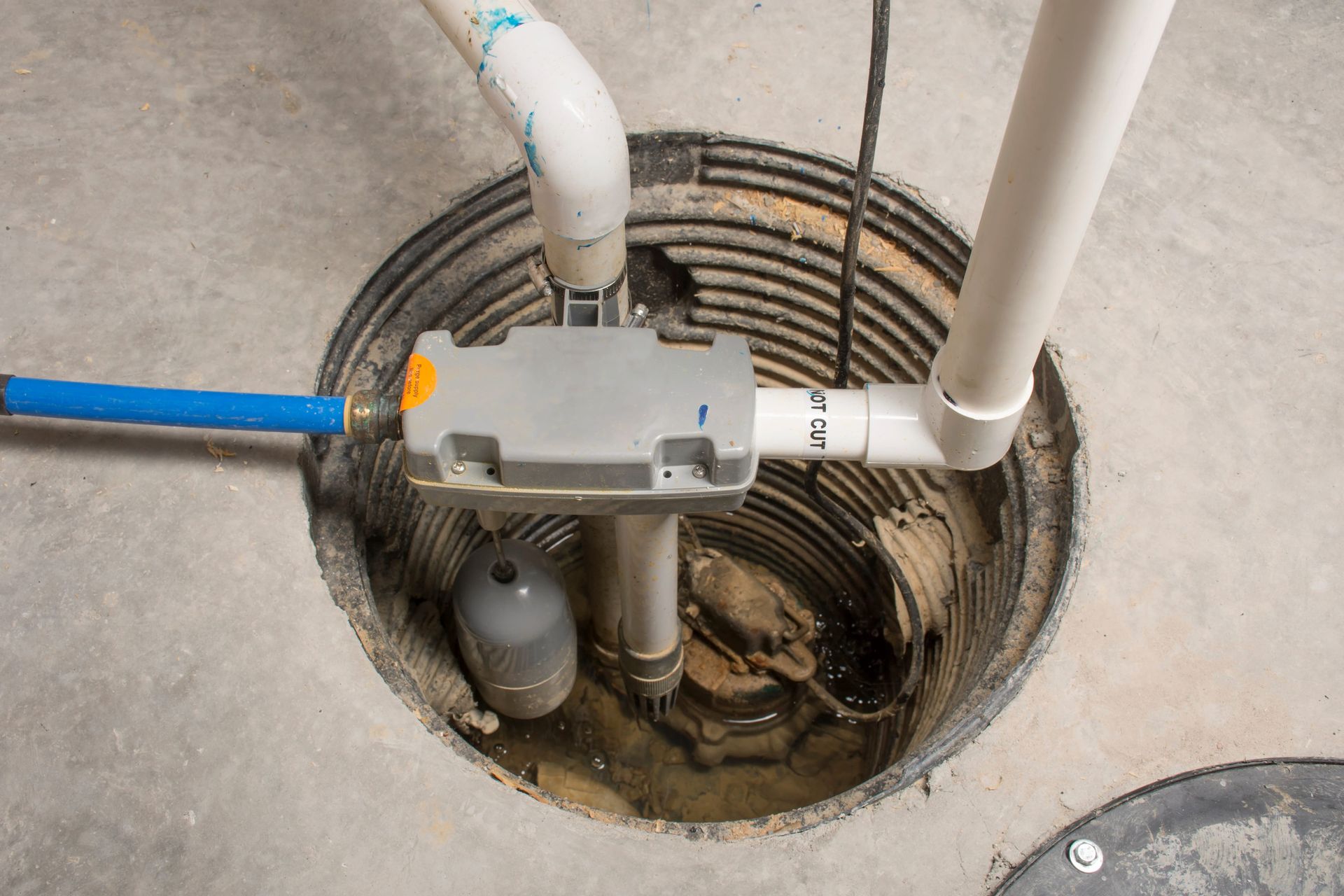
- Test the sump pump. Add water to the sump pit and confirm that the pump activates and removes water correctly.
- Inspect exterior faucets. Turn them on after winter and check for leaks or damage.
- Check basement areas. Look for damp surfaces, water stains, or moisture near plumbing penetrations.
- Inspect exposed pipes. Check accessible plumbing for cracks, corrosion, and loose connections.
- Evaluate household drains. Address slow drains before buildup develops into a more significant obstruction.
- Watch for sewer warning signs. Multiple slow drains, gurgling, or recurring backups may indicate a larger drainage problem.
- Inspect the water heater. Look around connections, valves, and the tank for moisture or visible deterioration.
How Can You Prevent Frozen Pipes During a Missouri Winter?
Water expands by roughly 9% when it freezes. Frozen water inside plumbing can create pressure that contributes to cracked pipes, failed fittings, and water damage after the frozen section thaws. Pipes in garages, crawl spaces, exterior walls, and other colder areas can be especially vulnerable.
Working with a general plumbing company in Lee's Summit helps identify exposed or poorly protected plumbing before prolonged freezing temperatures arrive.
Winter Plumbing Preparation Steps
- Disconnect outdoor hoses. Remove hoses before freezing weather to prevent trapped water from remaining at exterior connections.
- Insulate vulnerable pipes. Protect accessible plumbing in garages, crawl spaces, basements, and other colder areas where appropriate.
- Seal cold-air openings. Check gaps around plumbing penetrations and other openings that allow freezing air to reach pipes.
- Maintain indoor heating. Keep the home adequately heated, including during temporary absences.
- Allow warm-air circulation. During extreme cold, opening sink cabinets can help indoor air reach pipes along exterior walls.
- Locate the main shut-off valve. Every household member who may handle an emergency should know where it is.
- Watch water flow. A sudden reduction or complete loss of flow from a fixture can indicate frozen plumbing.
Your Home's Pressure-Reducing Valve Needs Attention
A pressure-reducing valve, or PRV, regulates incoming municipal water pressure before water moves throughout the home. Excessive pressure can place unnecessary stress on supply pipes, appliance connections, faucets, toilet components, and the water heater.
Residential water pressure commonly falls around 40–60 psi, although suitable pressure varies according to the plumbing system. Static pressure exceeding 80 psi generally requires pressure-reducing measures under commonly adopted plumbing standards.
Warning signs such as unusually forceful faucet flow, recurring fixture leaks, banging pipes, or noticeable pressure fluctuations can indicate that water pressure or the PRV should be evaluated.
How Often Should Your Residential Plumbing Be Professionally Inspected?
An annual plumbing inspection is a practical schedule for many households. Homes with older plumbing, previous leaks, recurring drainage problems, or frequent pressure changes may benefit from additional attention.
During residential plumbing service, a plumber can examine accessible supply lines, drains, plumbing fixtures, shut-off valves, water pressure, and water-heating equipment. Routine inspections cannot prevent every failure, but they can reveal visible wear or abnormal system behavior before a plumbing issue becomes more extensive.
When Should a Water Heater Tank Be Flushed?
Tank-style water heaters can accumulate mineral sediment over time. The rate of accumulation depends on local water conditions, household usage, tank design, and manufacturer recommendations.
Popping or rumbling noises, declining hot-water performance, or visible sediment during draining can indicate buildup inside the tank. Homeowners should follow manufacturer instructions when determining whether and how often flushing is appropriate.
A water heater that has not been maintained for an extended period may require professional assessment before flushing, particularly when valves, connections, or the tank show signs of deterioration.
Signs of a Main Sewer Line Clog
A single slow fixture often points to a localized blockage. Several fixtures experiencing drainage problems at approximately the same time can indicate an obstruction deeper within the home's drainage or sewer system.
Common Sewer Line Warning Signs
- Several drains become slow simultaneously.
- Toilets bubble or gurgle when nearby fixtures drain.
- Sewage odors develop indoors or around the property.
- Water backs up through tubs or lower-level drains.
- Drain clogs repeatedly return after clearing.
- Toilets and sinks make unusual gurgling sounds.
A residential local plumber that property owners contact can determine whether recurring symptoms originate from an individual fixture or a larger drainage or sewer problem.
What Should You Do Immediately When a Pipe Bursts?
A burst pipe requires quick action because escaping water can damage walls, flooring, cabinets, furniture, and electrical components.
- Shut off the main water supply to stop additional water from entering the plumbing system.
- Address electrical risks if water is approaching electrical equipment, but only when it can be done safely.
- Open faucets to relieve remaining pressure and water within the lines.
- Contain standing water where practical and safe.
- Move belongings away from the affected area.
- Call a qualified plumber to locate and repair the failed section.
- Document visible damage when an insurance claim may be required.
Knowing the main shut-off location before a plumbing emergency can significantly reduce response time.
Avoid Chemical Drain Cleaners
Chemical drain cleaners may seem convenient for a slow drain, but repeated or improper use can expose plumbing materials to highly caustic substances. Some products can generate significant heat, produce hazardous fumes, or damage certain pipe materials.
Persistent or recurring clogs should be properly diagnosed rather than repeatedly treated with chemicals. Professional mechanical drain-cleaning methods can target the obstruction while allowing the underlying cause to be evaluated.
What Plumbing Tasks Should Be Scheduled Throughout the Year?
A seasonal routine makes residential plumbing maintenance easier to manage.
Annual Plumbing Maintenance Schedule
- Monthly: Check visible pipes, toilets, faucets, drains, and appliance connections for changes.
- Spring: Test the sump pump, inspect basement areas, and check outdoor plumbing after winter.
- Summer: Monitor outdoor fixtures and investigate unexplained increases in household water use.
- Fall: Disconnect garden hoses and prepare vulnerable plumbing for freezing temperatures.
- Winter: Maintain indoor heat and monitor plumbing in colder areas during severe weather.
- Annually: Consider a professional inspection, pressure check, and water heater maintenance review.
Following a predictable schedule makes it easier to recognize changes in plumbing performance and arrange repairs before a small concern becomes a larger household problem.
Keep Your Lee's Summit Plumbing Prepared Throughout the Year
Seasonal maintenance, timely inspections, pressure management, and early attention to drainage or leak symptoms can help protect a home's plumbing system. When you need a general plumbing company in Lee's Summit, turn to Snake 'n' Rooter Plumbing Company, which is ready to help. Contact us today to schedule plumbing service and keep your home prepared for Missouri's changing seasons.
Frequently Asked Questions
How do I prepare my residential plumbing in Lee's Summit for a freezing Missouri winter?
To prevent burst pipes and water damage during winter freeze events in Lee's Summit, complete these four preventative steps before temperatures drop below freezing:
• Disconnect and drain outdoor garden hoses from exterior spigots to prevent trapped water from freezing backward into your home's foundation.
• Install foam insulation sleeves over unheated, exposed plumbing in basements, crawlspaces, and exterior-facing walls.
• Shut off indoor water valves supplying outdoor hose bibbs and drain any remaining excess water from the lines.
• Open cabinet doors under kitchen and bathroom sinks during severe drops below freezing to allow warm household air to circulate around pipes.
What is a pressure-reducing valve (PRV), and why does a Lee's Summit home need one?
A Pressure-Reducing Valve (PRV) is a safety device installed on your main water line that regulates municipal water pressure down to a safe level for household pipes.
• Prevents Pipe Damage: Municipal supply lines in Jackson County often carry pressure over 80 PSI, which can stress fixtures, cause pinhole leaks, and rupture appliance hoses.
• Extends Appliance Life: Keeping water pressure between 40–60 PSI protects your water heater, dishwasher, and washing machine from early wear.
• Reduces Water Noise: Correct pressure stops "water hammer" banging sounds in your home's walls.
How often should a residential plumbing inspection be performed in Lee's Summit, MO?
A professional residential plumbing inspection should be completed once every 12 months by a licensed local plumber in Lee's Summit.
• Annual Inspections Cover: Sump pump testing, water heater anode rod checks, shut-off valve operation, supply line flexibility, and pipe joint integrity.
• Bi-Annual Inspections Needed For: Homes over 30 years old, properties near mature tree root systems, or houses with older clay/cast-iron sewer lines.
What spring maintenance steps prevent Lee's Summit basement flooding during heavy rain?
To protect your basement or crawlspace from spring runoff and heavy Midwest rains, follow this 3-step checklist:
• Test the Sump Pump: Pour 5 gallons of water into the sump basin to verify the float switch triggers and water evacuates quickly.
• Check Battery Backups: Ensure secondary battery-operated backup pumps are fully charged in case severe storms cause local power outages.
• Clear Exterior Gutters & Downspouts: Direct downspout runoff at least 5 to 6 feet away from your home's foundation to reduce exterior soil hydrostatic pressure.
How do I know if my water heater tank in Lee's Summit needs routine flushing?
Hard mineral buildup in local Jackson County water settles at the bottom of water heater tanks. Flush your water heater if you notice any of these signs:
• Popping or Rumbling Noises: Trapped water boiling beneath layers of hard water sediment.
• Slow Hot Water Recovery: Decreased heating efficiency due to sediment insulation at the base of the tank.
• Discolored Water: Tinted or rusty hot water running from sink faucets.
• Recommendation: Perform a complete tank flush once per year to clear sediment and extend element life.
What are the signs of a main sewer line clog on a Lee's Summit property?
Main sewer line blockages affect multiple fixtures simultaneously. Look for these early warning indicators:
• Multiple Drain Backups: Water backing up into lower-level shower stalls or floor drains when flushing an upstairs toilet.
• Gurgling Fixtures: Toilets bubbling or making hollow sounds when the washing machine or dishwasher drains.
• Sewer Gas Odors: Foul smells emitting from floor drains, basement sinks, or yard cleanouts.
• Soggy Yard Patches: Unusually bright green or swampy patches of lawn directly over the buried sewer line lateral.
What steps should I take if a pipe bursts inside my home?
If you experience an active indoor plumbing rupture, act immediately in this sequence:
• Turn off the Main Water Valve: Locate and rotate your main indoor water shut-off valve clockwise to stop all incoming water.
• Open Low-Level Faucets: Drain remaining water from interior pipes by opening basement tub and sink taps.
• Shut Off Electrical Power: Turn off electricity at the breaker panel if water is accumulating near outlets or appliances.
• Call a 24-Hour Emergency Plumber: Contact a local 24-hour emergency plumbing service to locate and repair the breach.
Why are chemical drain cleaners unsafe for residential plumbing maintenance?
Chemical drain cleaners rely on corrosive caustic reactions that cause serious long-term damage to residential plumbing systems:
• Corrodes Metal & PVC Pipes: Chemicals trap heat inside clogs, warping plastic lines or eroding metal pipe joints.
• Incomplete Clog Removal: They bore a small hole through blockages rather than clearing tree roots or thick grease entirely.
• Toxic Chemical Risks: Hazardous fumes linger in drains and create severe safety hazards for technicians who service the lines.
• Better Alternative: Use standard mechanical snakes, drain augers, or professional hydro-jetting.
How can I locate my home's main water shut-off valve in Lee's Summit?
Your main water shut-off valve is typically located in one of three areas:
• Inside the Basement or Crawlspace: Mounted on the wall where the main water service pipe enters through the front foundation wall.
• Near the Water Heater: Positioned along the incoming cold water line near utility connections.
• Inside an Exterior Meter Box: Located underground near the front property line inside a covered pit (requires a meter key to operate).
Who provides licensed residential plumbing inspections in Lee's Summit, MO?
plumbing inspections, winterization support, drain clearing, and emergency service across Lee's Summit and surrounding communities.
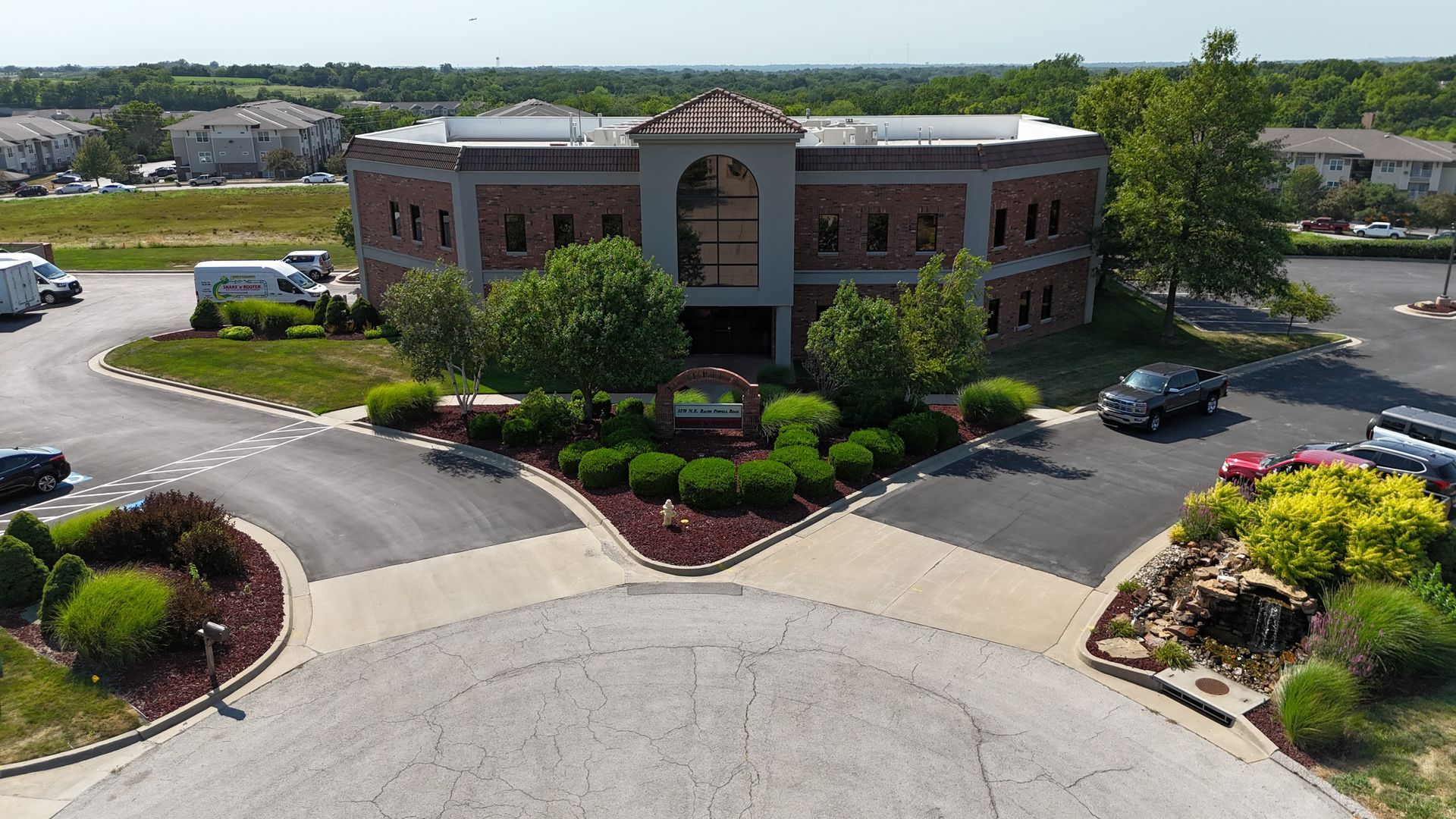
• Office Address: 3370 NE Ralph Powell Rd, Lee's Summit, MO 64064
• Direct Services: Pressure valve testing, main line sewer camera inspections, seasonal home maintenance, and 24/7 emergency leak repair.
• Website: snakenrooterplumbing.com