Water Heater Acting Up? Repair or Replace It?
A failing water heater does not always mean you need a new one. Most water heater problems, from lukewarm showers to strange noises, come from parts that can be repaired quickly and affordably. Knowing the difference between a simple fix and a true replacement can save you hundreds of dollars.
As the weather cools across Lee's Summit, Lawrence, and Topeka, water heaters work harder to keep up with demand. This is exactly when small issues turn into big, cold surprises. Below, we break down the signs that point to repair, the signs that point to replacement, and what you can do right now to figure out which one you are dealing with.
Why Your Water Heater Struggles More in the Fall
Cooler incoming water temperatures force your water heater to work longer and harder to reach the same hot water output you had all summer. This added strain is often what pushes a weak or aging unit over the edge.
During summer, groundwater entering your home is warmer, so your water heater does not need to raise the temperature as much to get hot water out of the tap. Once temperatures drop in the fall, that incoming water can be 15 to 20 degrees colder. Your unit has to run longer cycles and heat the water more aggressively to compensate. If a heating element, thermostat, or burner is already worn down, this seasonal shift is often when the problem becomes noticeable. A water heater that seemed fine in July might start acting up in September simply because it is being asked to do more work with the same aging parts.
This is also the time of year when many homeowners start noticing inconsistent hot water, longer wait times at the tap, or a tank that runs out faster than it used to. If any of that sounds familiar, it is worth understanding what is actually happening inside the unit before assuming the worst.
Signs You Need a Water Heater Repair, Not a Replacement
Most water heater issues are mechanical, not structural, which means they can usually be fixed without replacing the whole unit. Here are the most common repair-only signs.
Inconsistent or Lukewarm Water
If your water goes from hot to lukewarm partway through a shower, this points to a failing heating element or thermostat, not a dying tank. This is one of the most common and most fixable water heater issues.
Electric water heaters typically have two heating elements, an upper and a lower. When one fails, the tank can still produce some hot water, just not enough to last through a full shower or a load of dishes. Gas water heaters can have a similar issue if the thermostat is misreading the temperature or the burner assembly is dirty. In both cases, replacing the specific part is usually all that is needed. This is a straightforward fix, and it is one of the most requested repairs we handle as part of our water heater repair services.
Strange Noises Coming From the Tank
Popping, rumbling, or banging sounds usually mean sediment has built up at the bottom of the tank. This is a maintenance issue, not a sign of tank failure, and it is fixable with a flush.
Over time, minerals in your water settle at the bottom of the tank and harden. When the burner heats the water, steam bubbles form underneath this sediment layer and try to escape, which creates the popping or rumbling sound. This buildup also makes your water heater less efficient, since the sediment acts as insulation between the burner and the water. A professional flush removes the sediment and often quiets the noise completely. If the noise has been going on for a long time, it is worth having a technician check for any damage to the tank lining as well.
Pilot Light Issues on Gas Units
A pilot light that will not stay lit is almost always caused by a faulty thermocouple, a small and inexpensive part to replace. This is one of the most misunderstood water heater problems, and many homeowners assume it means the whole unit is failing.
The thermocouple is a safety sensor that detects whether the pilot light is burning. If it is dirty, misaligned, or worn out, it can shut off the gas supply even when the pilot is lit correctly, which makes the flame go out repeatedly. Cleaning or replacing the thermocouple usually solves the problem in under an hour. Other pilot light issues can stem from a clogged pilot tube or a draft affecting the flame, both of which are simple repairs.
Minor Leaks Around Fittings or Valves
A small amount of water around a fitting, valve, or connection point is often a loose or worn seal, not a cracked tank. This distinction matters because it changes whether you need a repair or a full replacement.
Water heaters have several connection points, including the cold water inlet, hot water outlet, and the temperature and pressure relief valve. Over time, these fittings can loosen slightly or the seals inside them can wear down. A licensed plumber can tighten or replace these components without touching the tank itself. The key is catching this early, since a fitting that is not addressed can eventually lead to a larger leak or water damage to the surrounding area.
Signs You Actually Need a Water Heater Replacement
Some issues cannot be repaired because they involve the tank itself or point to the unit reaching the end of its lifespan. Here is what actually calls for a new water heater.
The Tank Itself Is Leaking or Rusted
Water pooling at the base of the tank, or rust colored water coming from your taps, usually means the tank has corroded from the inside. Unlike a fitting leak, this cannot be repaired.
The inside of a water heater tank is lined with a protective layer, and most tanks also include a sacrificial anode rod designed to attract corrosive elements before they reach the tank wall. Once that anode rod is fully consumed, which typically happens after several years, the tank itself begins to corrode. Rust colored water, especially when it only comes from the hot water tap, is a strong indicator that this process has already started. Once the tank is compromised, there is no repair that restores it. At this point, replacement is the only real option, and continuing to run a corroding tank increases the risk of a sudden, larger leak.
Your Water Heater Is Past Its Expected Lifespan
Most tank water heaters last between 8 and 12 years. If your unit is in this range and starting to show problems, replacement is usually the smarter financial decision, even if a repair is technically possible.
An older unit that needs a repair today is statistically more likely to need another repair within a year or two. At a certain point, the cost of ongoing repairs adds up to more than a new, more efficient unit would cost. Newer water heaters are also significantly more energy efficient than models built a decade ago, which means a replacement can lower your monthly utility bills in addition to solving the immediate problem. If you are unsure how old your unit is, the manufacture date is usually printed on a sticker on the side of the tank, often encoded in the serial number.
Frequent Repairs Within a Short Time Frame
If you have called for a water heater repair more than once in the past year, this is a signal that the unit is breaking down faster than it can be reasonably maintained. Repeated repairs are rarely a coincidence.
A water heater that needs multiple service calls in a short window is usually dealing with more than one failing component, and fixing them one at a time can end up costing more than a replacement. This pattern is common in units nearing the end of their lifespan, where one part failing puts extra strain on the rest of the system. Tracking how often you have needed service is one of the simplest ways to know whether it is time to stop repairing and start planning for a new unit.
No Hot Water at All, With No Clear Cause
A complete loss of hot water, especially on an older unit, can point to a failed heating element combined with tank damage, or a control system that is no longer salvageable. This situation needs a professional diagnosis before any decision is made.
Sometimes a total loss of hot water is a simple fix, like a tripped breaker or a gas supply issue. Other times, especially on units over a decade old, it is the final sign of a system that has been slowly failing for a while. The only way to know for certain is to have a licensed plumber inspect the unit and confirm what is actually happening internally.
What Homeowners in Lee's Summit, Lawrence, and Topeka Should Know About Local Water
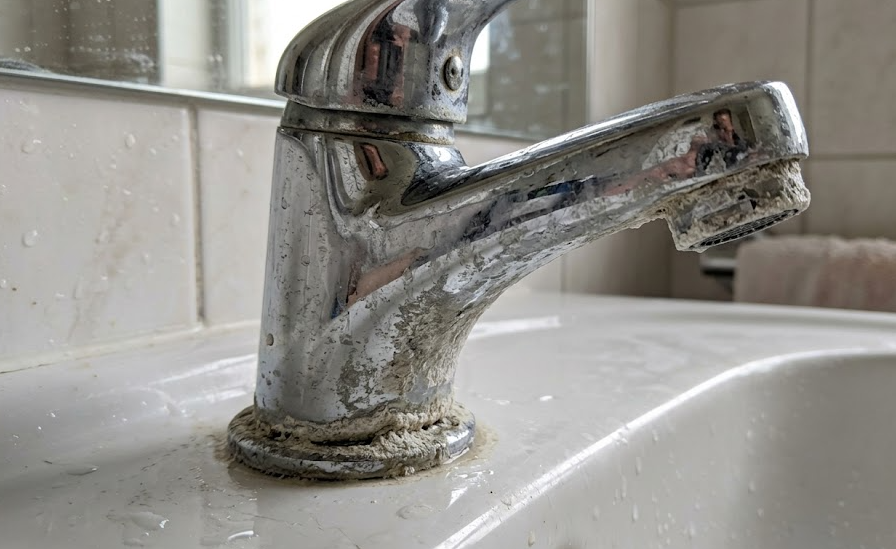
Hard water is common throughout the Greater Kansas City region, and it plays a direct role in how fast sediment builds up inside a water heater tank. This is one of the biggest factors in how long a local water heater actually lasts.
Homes in Lee's Summit and the surrounding areas often deal with mineral heavy water, which speeds up the sediment buildup process described earlier. This means water heaters in this region may need more frequent flushing compared to homes in areas with softer water. It also means the noises, reduced efficiency, and shortened lifespan associated with sediment buildup tend to show up sooner here than the national averages suggest. If you have never had your water heater flushed, or cannot remember the last time it happened, that is a good place to start before assuming a bigger problem is developing.
Similar water hardness levels apply across the wider service area, which is why regular maintenance matters just as much no matter where you are. A yearly flush, combined with an occasional check of the anode rod, goes a long way toward avoiding early failure.
The Cost Difference Between Repair and Replacement
A typical water heater repair costs a fraction of a full replacement, but the right choice depends on the specific issue, the age of the unit, and how often problems have occurred. Understanding this tradeoff helps you make a decision that actually makes sense for your situation.
Simple repairs, like replacing a heating element, thermocouple, or thermostat, are generally affordable and can be completed quickly. A full tank flush to remove sediment is also a low cost service that can meaningfully extend the life of your unit. Replacement, on the other hand, is a bigger upfront investment, but it resets the clock entirely and often comes with better energy efficiency. The right call usually comes down to three questions: how old is the unit, how often has it needed repairs, and is the problem isolated to a part or does it involve the tank itself. A straightforward inspection can answer all three.
What to Do Before Calling a Plumber
A few quick checks can help you describe the problem accurately and may even reveal a simple fix you can handle yourself. Taking five minutes to look things over first can save time on the actual service call.
Start by checking the breaker or gas supply to rule out the simplest possible cause. For electric units, confirm the breaker has not tripped. For gas units, confirm the gas supply valve is fully open and the pilot light is lit. Next, look at the temperature setting on the thermostat, since a setting that is too low can mimic the symptoms of a failing heating element. Finally, take a look around the base of the tank for any visible water, since this detail alone can help a technician know what to expect before they even arrive. None of these checks are meant to replace a professional diagnosis, but they can help you explain the issue more clearly and rule out anything simple before assuming the worst.
Why Fast Water Heater Service Matters
A minor water heater issue rarely stays minor for long, especially once colder weather increases the strain on the system. Addressing the problem early, whether it turns out to be a repair or a replacement, prevents a small inconvenience from becoming a household emergency.
Waiting on a water heater issue often leads to worse outcomes. A slow leak can turn into water damage. A failing heating element can lead to a complete loss of hot water at the worst possible time. And an aging tank that is not monitored can fail suddenly rather than gradually. Getting an inspection as soon as you notice a problem gives you options. Waiting usually narrows those options down to whichever fix is fastest, not necessarily the one that saves you the most money.
Frequently Asked Questions
How long do water heaters typically last?
Most tank water heaters last between 8 and 12 years, depending on water quality, maintenance history, and usage. Homes with hard water may see a shorter lifespan without regular flushing.
Can a water heater be repaired if it is leaking?
It depends on where the leak is coming from. A leak at a fitting, valve, or connection is usually repairable, but a leak coming from the tank itself means the tank has corroded and needs to be replaced.
Why does my water heater run out of hot water faster than it used to?
This is often caused by sediment buildup reducing the tank's effective capacity, or a failing heating element that cannot keep up with demand. Both issues can typically be diagnosed and addressed without a full replacement.
Is it worth repairing an older water heater?
If the unit is under 8 years old and the repair is minor, it is usually worth fixing. If the unit is older or has needed multiple repairs recently, replacement often makes more financial sense in the long run.
How often should a water heater be flushed?
Most homes benefit from an annual flush, though homes with harder water may need it more frequently to prevent sediment buildup and extend the life of the unit.
Getting Your Water Heater Back on Track
A struggling water heater does not automatically mean a full replacement is in your future. In many cases, the fix is small: a new heating element, a cleaned thermocouple, or a simple tank flush. The signs above can help you understand what your water heater is telling you, but a professional inspection is the only way to know for certain whether you are looking at a repair or a replacement.
Snake 'n' Rooter Plumbing Company has proudly served the Greater Kansas City, Lawrence, and Topeka communities for over three decades, and hot water problems are one of the most common calls we handle. We inspect the full system, explain exactly what is going on, and walk through your repair and replacement options honestly, without pushing you toward the more expensive fix when a simple repair will do. We are available 24 hours a day, 7 days a week, with no extra charges for nights, weekends, or holidays, and every estimate is free. Whether your water heater needs a quick fix or it is finally time for an upgrade, our
licensed plumbers are ready to help. You can also explore our full range of
residential plumbing and
plumbing maintenance services, or check out our
commercial plumbing solutions if you are managing a business property.
Get in touch with us today to get your hot water back on track before the colder months settle in.